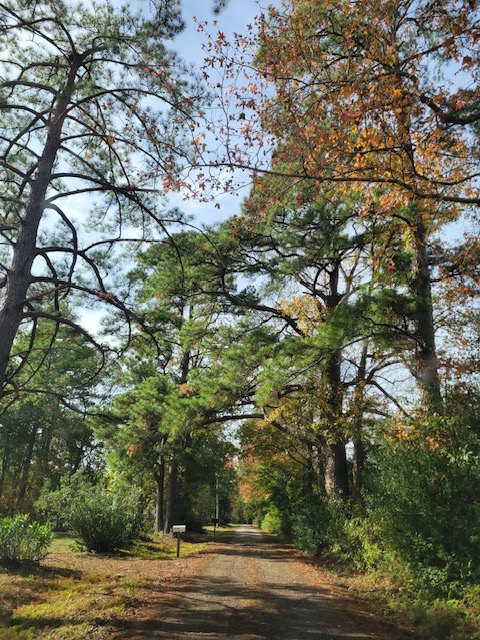
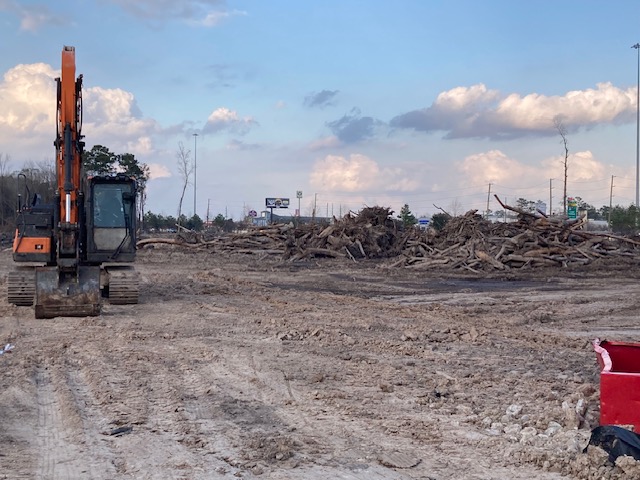
A few weeks ago, I went up north to New Caney, TX to visit one of my dearest friends. New Caney is just north of Kingwood and includes part of the Piney Woods. After the visit ended, as I was driving back to Houston on the 59, I saw a newly deforested site next to the feeder road. It appeared that developers were clearing the land to make way for a new neighborhood in Porter, TX, which is a local suburb.
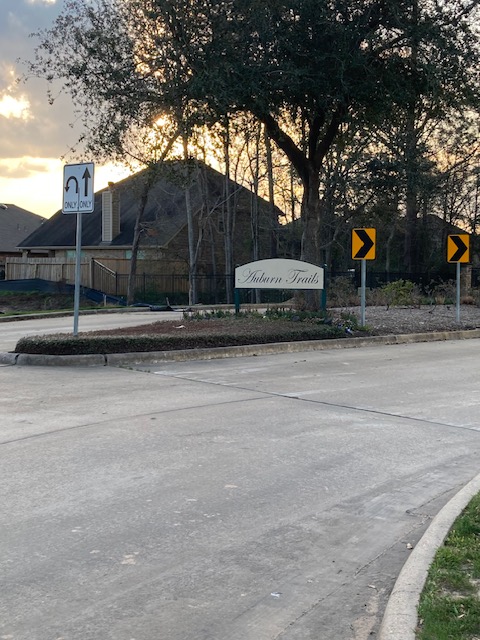
The welcome sign for Auburn Trails Dr. is the neighborhood directly behind the site.
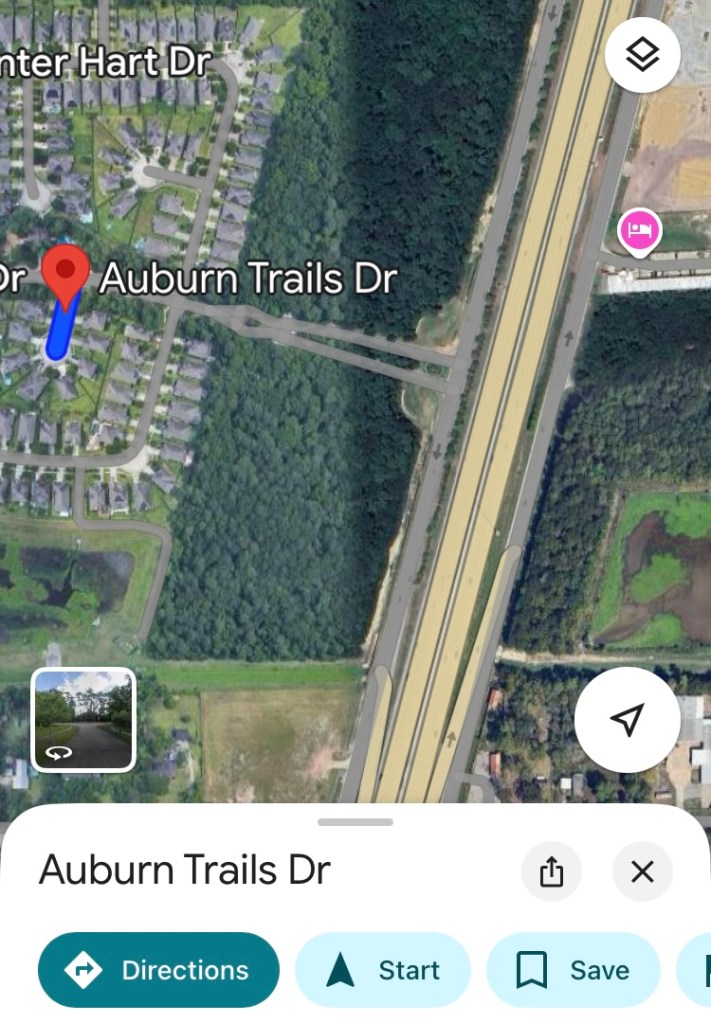
Take a look at this Google maps satellite image. It hasn’t updated to reflect the recent deforestation yet. All that thick green forest is gone on both sides of the entrance to Auburn Trails.
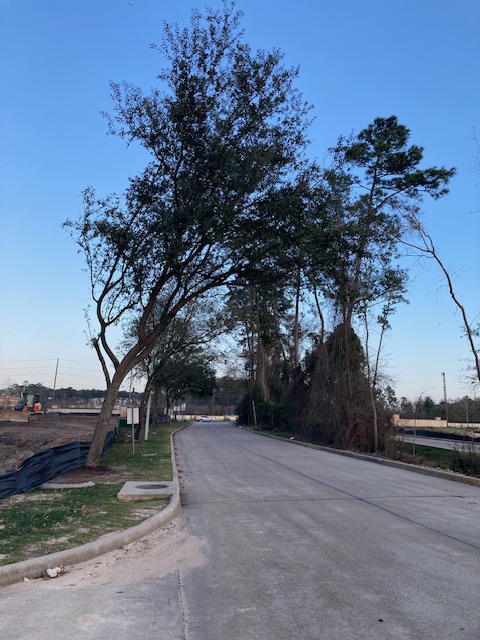
Facing the freeway, from which I had just come. Just a few trees remain.
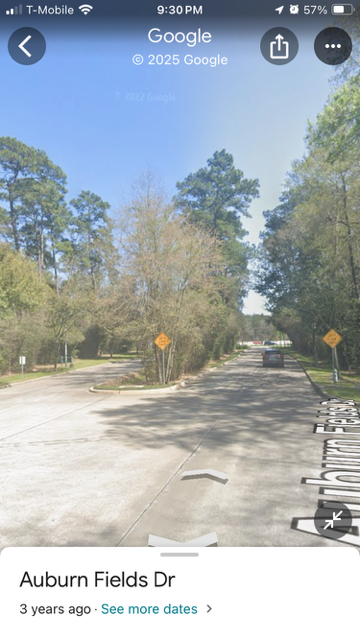
Auburn Fields Dr., according to Google Maps images from three years ago.
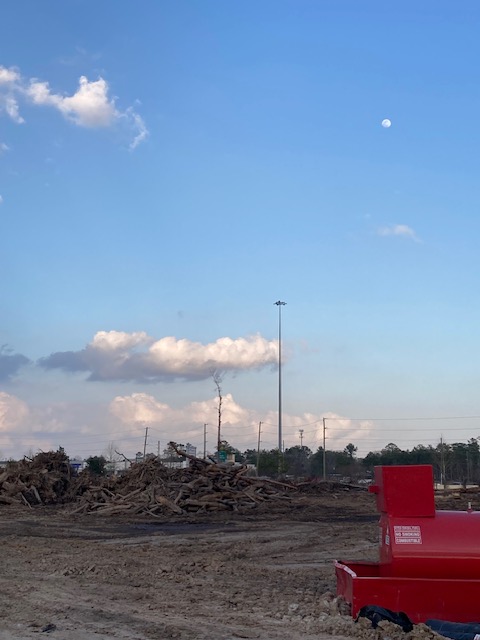
A pile of felled trees where there used to be thick forest.
What is next?
Where do we go from here? I’m not sure. But the fact that there is no more barrier between the Auburn Trails neighborhood and the loud freeway makes me wonder how the neighbors might feel about the new development. (That, plus all of the construction noise.)
I also can’t stop thinking of all the shade those trees had provided, that would have kept local temperatures a little cooler. This EPA.gov webpage, “Benefits of Trees and Vegetation” (https://www.epa.gov/heatislands/benefits-trees-and-vegetation) might not be up for much longer, given what’s happened to other federal resources, but here’s what it currently says:
Trees and vegetation (e.g., bushes, shrubs, tall grasses) lower surface and air temperatures by providing shade and cooling through evapotranspiration. Evapotranspiration is a process in which trees and vegetation absorb water through their roots and evaporate it through their leaves. Essentially, evapotranspiration cools the air by using heat from the air to evaporate water. This cooling also occurs from the surrounding soil and when trees and vegetation catch rainfall on their leaves. One review of 308 studies found that, on average, urban forests were 3.0° F (1.6°C) cooler than urban non-green areas.1
The footnote at the end of the quote references this updated scientific study on the effects of adding trees and vegetation to urban areas.
Yes, sprawl brings us louder noise and hotter temperatures, to name just two of the costs that are in store.
But what will we gain, if we fight to hold onto Houston’s tree canopy? A livable, walkable city.
Want to learn how to get involved? Find information on how you can help Houston’s trees at https://www.treesforhouston.org/.
 Saving the Houston Piney Woods
Leave a comment